

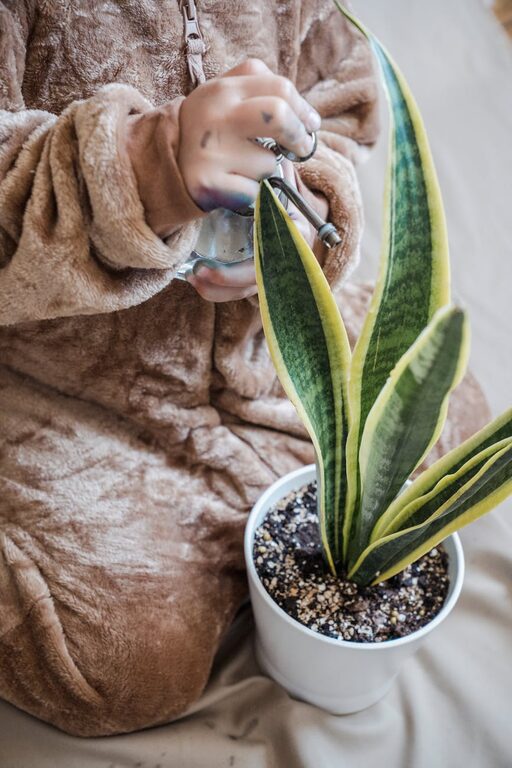
Bringing indoor plants into your home can be a delightful way to enhance your living space, improve air quality, and boost your wellbeing. Whether you are a seasoned gardener or a beginner looking to add a touch of green, understanding the benefits of indoor plants and how to care for them will help you enjoy a thriving indoor garden.
Benefits of Indoor Plants
1. Improved Air Quality
One of the most well-known advantages of indoor plants is their ability to purify the air. Many houseplants absorb toxins like formaldehyde, benzene, and carbon monoxide, filtering harmful pollutants through their leaves and roots. This natural air filtration can lead to fresher and cleaner air in your home.
2. Increased Humidity
Indoor plants release moisture into the air through a process called transpiration. This added humidity can be particularly valuable during dry winter months when central heating tends to reduce indoor moisture levels. Higher humidity in turn can help prevent dry skin, respiratory issues, and even keep wooden furniture from cracking.
3. Stress Reduction and Improved Mood
Caring for indoor plants has been shown to reduce stress, anxiety, and feelings of fatigue. Plants provide a connection to nature, which can be calming and mood-lifting. Even simply having greenery visible in your living or working space can enhance concentration and create a more relaxed atmosphere.
4. Boosted Creativity and Productivity
Studies suggest that indoor plants can improve focus and productivity at work or during study. They help by creating a more pleasant environment that can stimulate creativity, reduce mental fatigue, and improve overall cognitive function.
5. Aesthetic and Interior Appeal
Beyond health benefits, indoor plants can be a versatile decorating element. They add colour, texture, and life to any room, complementing different styles from minimalist to bohemian. Small plants can brighten window sills, while larger varieties can serve as statement pieces or natural room dividers.
Tips for Caring for Indoor Plants
Caring for indoor plants might seem daunting at first, but with a few basic guidelines, you can keep your plants happy and healthy.
Choose the Right Plant for Your Environment
Some plants require bright, direct sunlight, while others thrive in low-light areas. When selecting plants, consider the natural light available in your home:
– Bright Light: Succulents, cacti, and fiddle leaf figs do well near sunny windows.
– Medium to Low Light: Snake plants, pothos, and ZZ plants can tolerate less light, perfect for rooms without much natural sunlight.
Water Wisely
Over-watering is one of the most common issues with indoor plants. Each plant species has different water needs, so it’s best to research your specific plant. General tips include:
– Check the soil moisture before watering. If the top inch feels dry, it’s probably time to water.
– Avoid leaving plants sitting in excess water; ensure pots have drainage holes.
– Adjust watering habits with the seasons—plants usually need less water in winter.
Maintain Proper Humidity and Temperature
Most houseplants prefer humidity levels between 40% and 60%. To increase humidity around plants:
– Group plants together to create a micro-humid environment.
– Use a humidifier or place a water tray with pebbles nearby.
– Mist leaves occasionally, but avoid overdoing it to prevent mould.
Keep plants away from cold drafts, heaters, or air conditioners, as sudden temperature changes can stress them.
Provide Nutrients with Fertiliser
Indoor plants need nutrients to grow, but too much fertiliser can harm them. Use a balanced, water-soluble fertiliser every 4–6 weeks during the growing season (spring and summer). Reduce or stop fertilising during autumn and winter when many plants rest.
Regular Grooming and Pest Control
Keep your indoor plants looking their best by:
– Removing dead or yellowing leaves to encourage new growth.
– Wiping dusty leaves with a damp cloth to improve photosynthesis.
– Inspecting plants regularly for pests like spider mites, aphids, or mealybugs. Natural treatments such as neem oil or insecticidal soap are usually safe options.
Repotting When Necessary
As plants grow, they may outgrow their pots and become root-bound, restricting growth. Signs it’s time to repot include roots growing out of drainage holes or soil that dries out quickly. Choose a pot slightly larger than the current one and fresh potting soil to give your plant more room to thrive.
Conclusion
Indoor plants offer a host of benefits, from improving air quality and boosting your mood to enhancing your home’s aesthetic. With the right care—choosing suitable plants, watering correctly, maintaining humidity, and giving them some attention—your indoor garden can flourish and bring joy year-round. Whether you have a few favourite pots or a lush collection, nurturing plants indoors is a fulfilling way to bring nature inside and create a healthier living space.