

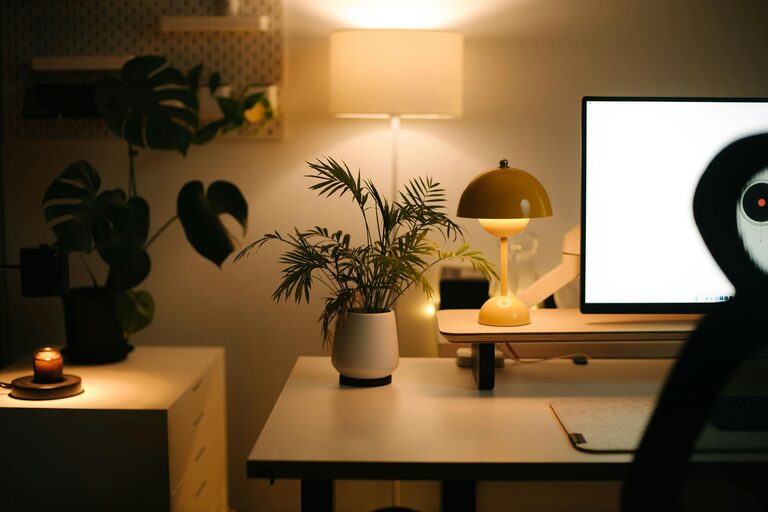
Creating a relaxing home office environment is essential for maintaining focus, motivation and overall wellbeing, especially when working remotely. A well-designed space can reduce stress and help you stay productive throughout the day. Whether you have a dedicated room or just a corner of your living space for work, simple adjustments can make a big difference. Here are some helpful tips to turn your home office into a calm and inviting place.
Choose the Right Location
The first step in creating a relaxing home office is deciding where to place it. Ideally, pick a spot with minimal distractions, good natural light and enough space for your needs.
– Natural light: Choose a room or area near a window if possible. Natural light helps reduce eye strain and improves mood.
– Quiet area: Avoid busy family rooms or noisy corners. Try to find a quiet space where you can concentrate without interruptions.
– Separate from relaxation zones: If you can, set your office apart from areas you associate with rest, such as the bedroom or lounge.
Ergonomic Furniture for Comfort
Comfort is key in making a home office relaxing. Good furniture supports your body and prevents discomfort during long hours.
– Chair: Invest in an ergonomic office chair with adjustable height and lumbar support. Sitting properly reduces back pain.
– Desk: Choose a desk that suits your space and work style. Consider one with adjustable height so you can alternate between sitting and standing.
– Monitor placement: Position your screen at eye level to avoid neck strain.
Keep It Organised and Clutter-Free
A cluttered workspace can cause stress and distraction. Maintaining a tidy area helps create a calm atmosphere.
– Storage solutions: Use shelves, drawers or organisers to keep supplies out of sight but accessible.
– Daily tidy-up: Spend a few minutes at the end of each day clearing your desk and organising paperwork.
– Minimal decor: Keep only essential items on your desk to maintain focus.
Use Colours That Promote Calmness
Colour can influence your mood and productivity. Choose tones that help create a peaceful work environment.
– Soft neutrals: Shades like beige, soft grey or pastel blues promote relaxation.
– Avoid bright, intense colours: These can be overstimulating.
– Personal touches: Add subtle artwork or plants to make the space welcoming without overwhelming it.
Incorporate Nature
Bringing natural elements into your home office enhances wellbeing and reduces stress.
– Houseplants: Small plants improve air quality and add a calming touch.
– Natural materials: Wood desks or accessories can create warmth and comfort.
– Nature sounds: Consider a small water fountain or sound machine with gentle nature sounds.
Control Lighting
Appropriate lighting balances productivity with comfort.
– Avoid harsh overhead lights: Use desk lamps with adjustable brightness for task lighting.
– Ambient lighting: Combine soft background lights to reduce eye strain.
– Curtains or blinds: Adjust natural light and reduce glare on screens.
Maintain Good Air Quality
Fresh air helps keep you alert and comfortable.
– Ventilation: Open windows regularly to circulate air.
– Air purifiers: If needed, use air purifiers to reduce dust and allergens.
– Humidity: Keep humidity levels comfortable with a humidifier or dehumidifier where necessary.
Set Boundaries and Routines
A relaxing environment is more than the physical space—it’s also about how you use it.
– Designate work hours: Stick to a consistent schedule to separate work and personal time.
– Dress comfortably: Wear clothes that make you feel relaxed but ready to work.
– Take breaks: Use reminders or timers to stretch, walk around or relax your eyes regularly.
Personalise Your Workspace
Adding elements that make you feel good can improve your mood and productivity.
– Photos or mementos: Include a few personal items that inspire or motivate you.
– Aromatherapy: Consider subtle scents like lavender or eucalyptus for relaxation.
– Music: Play background music or white noise if it helps your concentration.
—
By thoughtfully arranging your home office with these tips, you can create a relaxing and productive environment that supports both your work and wellbeing. Remember, a calm space doesn’t have to be elaborate—it just needs to suit your needs and help you feel focused and comfortable.